
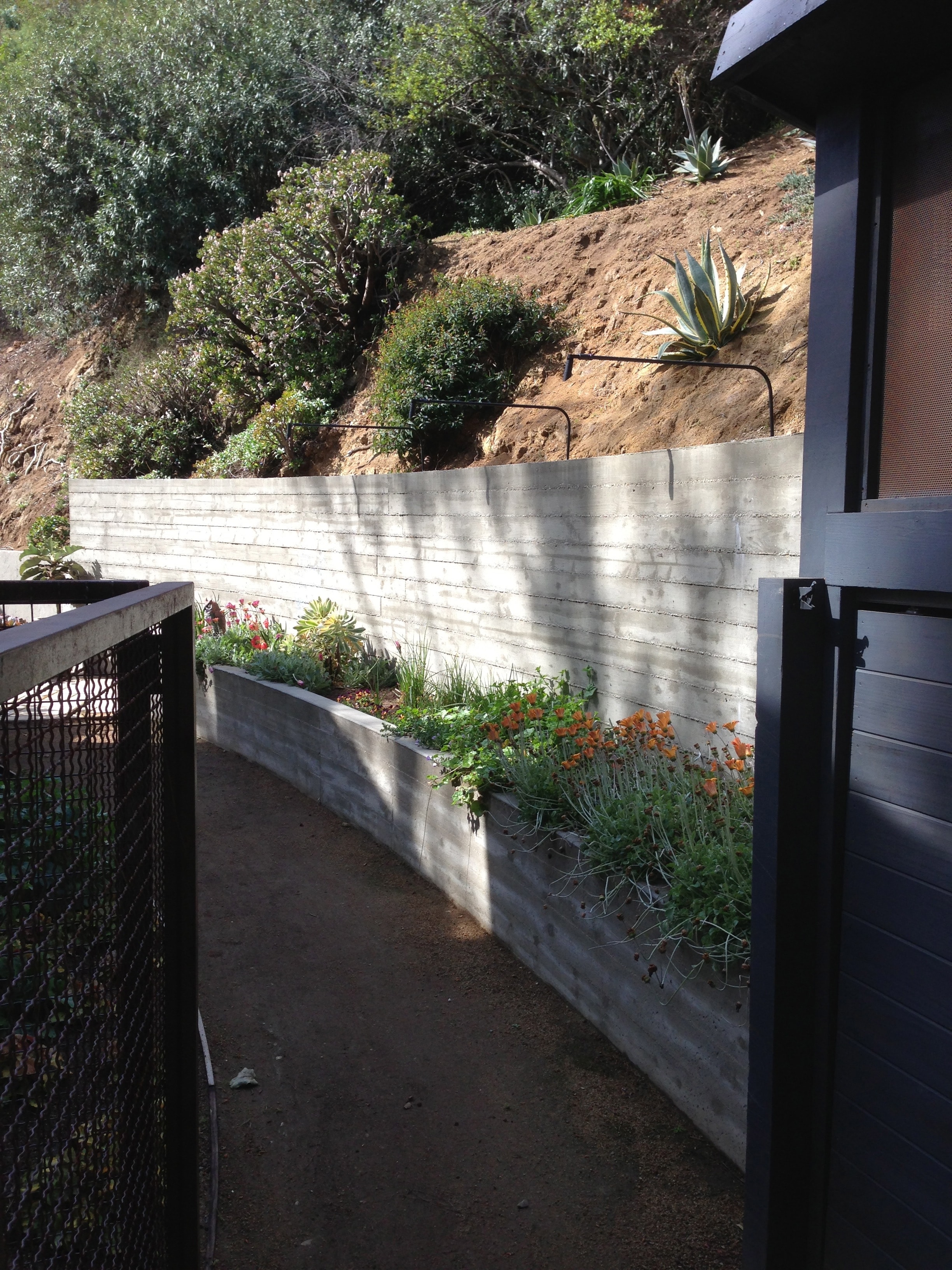
If you own a hillside property anywhere from Altadena to Calabasas, a retaining wall isn't optional — it's what keeps your yard, your driveway, or your neighbor's foundation where it belongs. But retaining walls are also one of the most misunderstood projects in residential construction. Here's a straightforward guide to what goes into building one right.
Why Retaining Walls Matter in Southern California
Los Angeles County's hillside communities — Pasadena, Altadena, La Cañada Flintridge, Beverly Hills, Brentwood, Pacific Palisades — sit on grades that shed water and soil downhill during heavy rain. A properly engineered retaining wall holds that soil in place, protects the foundation uphill and downhill from you, and can turn an unusable slope into flat, functional yard space.
After fire rebuilds and storm seasons, we've seen a steady increase in property owners across the San Gabriel Valley and San Fernando Valley needing retaining walls replaced or built for the first time — often because the original wall was undersized, poorly drained, or never engineered for the soil conditions on that lot.
Common Retaining Wall Materials
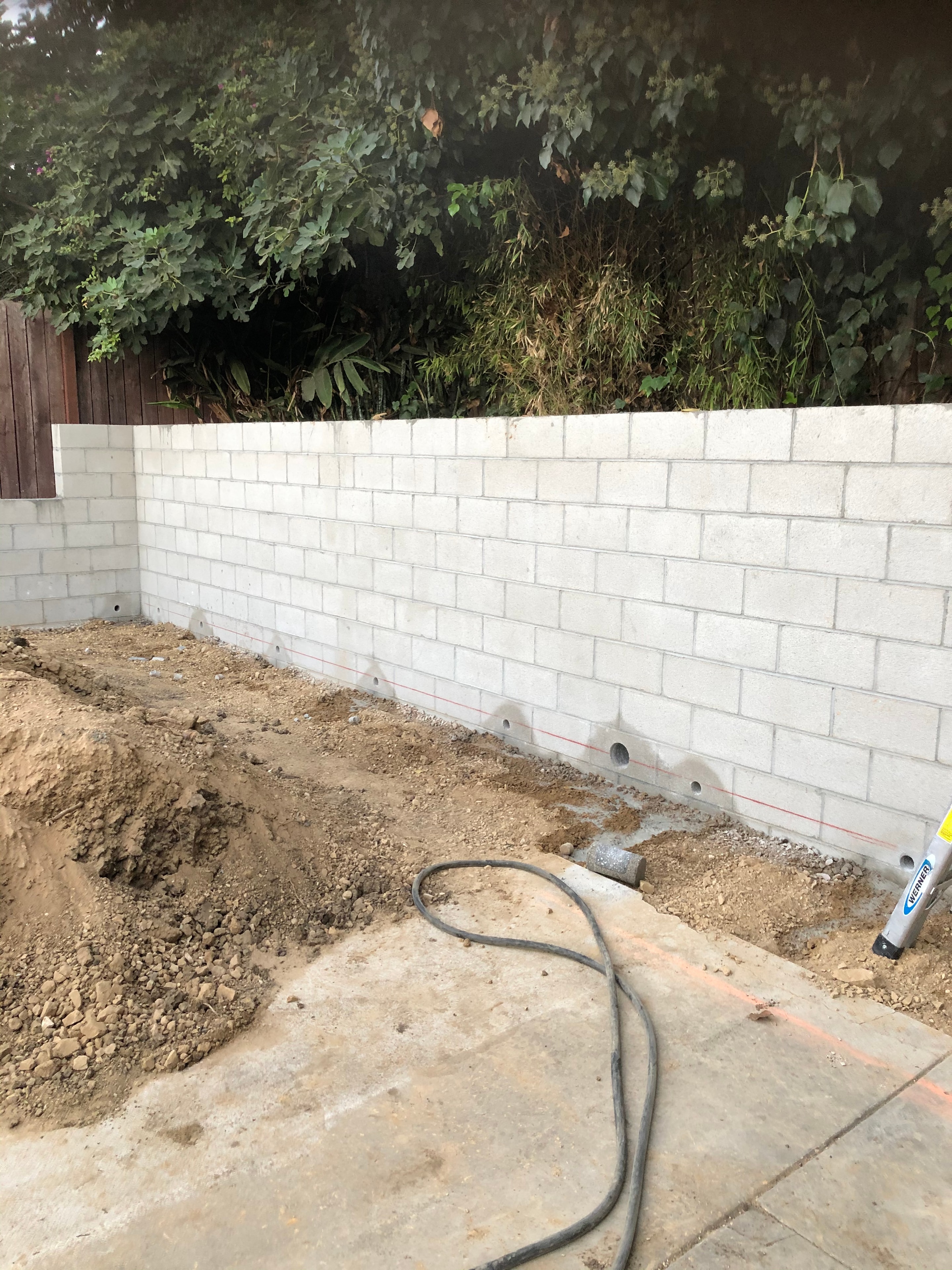
- Concrete block (CMU) walls — The workhorse option for most residential retaining walls. Durable, cost-effective, and can be faced with stone veneer or stucco to match the home's exterior.
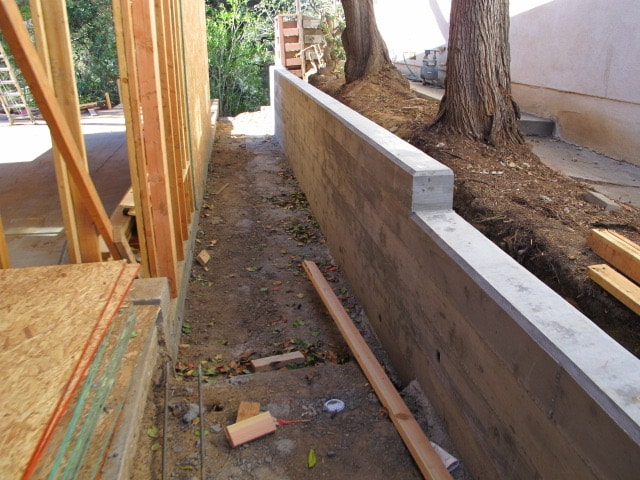
- Poured concrete walls — Best for taller walls or walls carrying significant structural load, such as walls supporting a driveway or a section of hillside foundation.
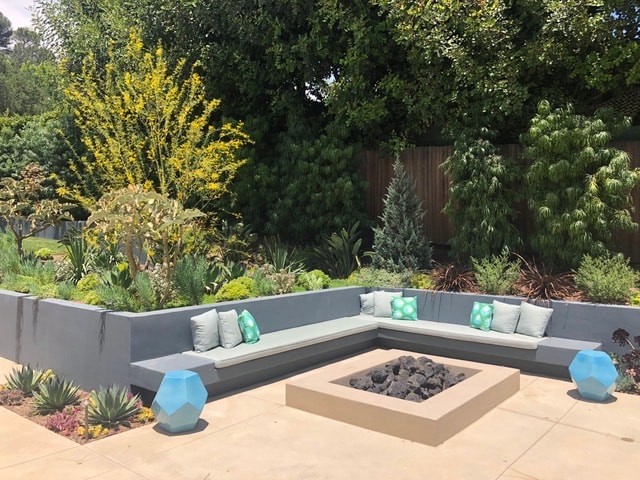
- Natural stone — The highest-end look, often used for visible walls near entries, patios, or pool areas where appearance matters as much as function.
- Segmental retaining wall (SRW) block — A modular, interlocking block system that works well for garden walls and shorter grade changes.
The right material depends on the wall's height, the load behind it, drainage conditions, and the look you're going for. This is exactly where a hillside-experienced contractor earns their keep — the wrong material or the wrong footing for the soil type is how walls fail.
What Drives Retaining Wall Cost
A few factors move the price more than anything else:
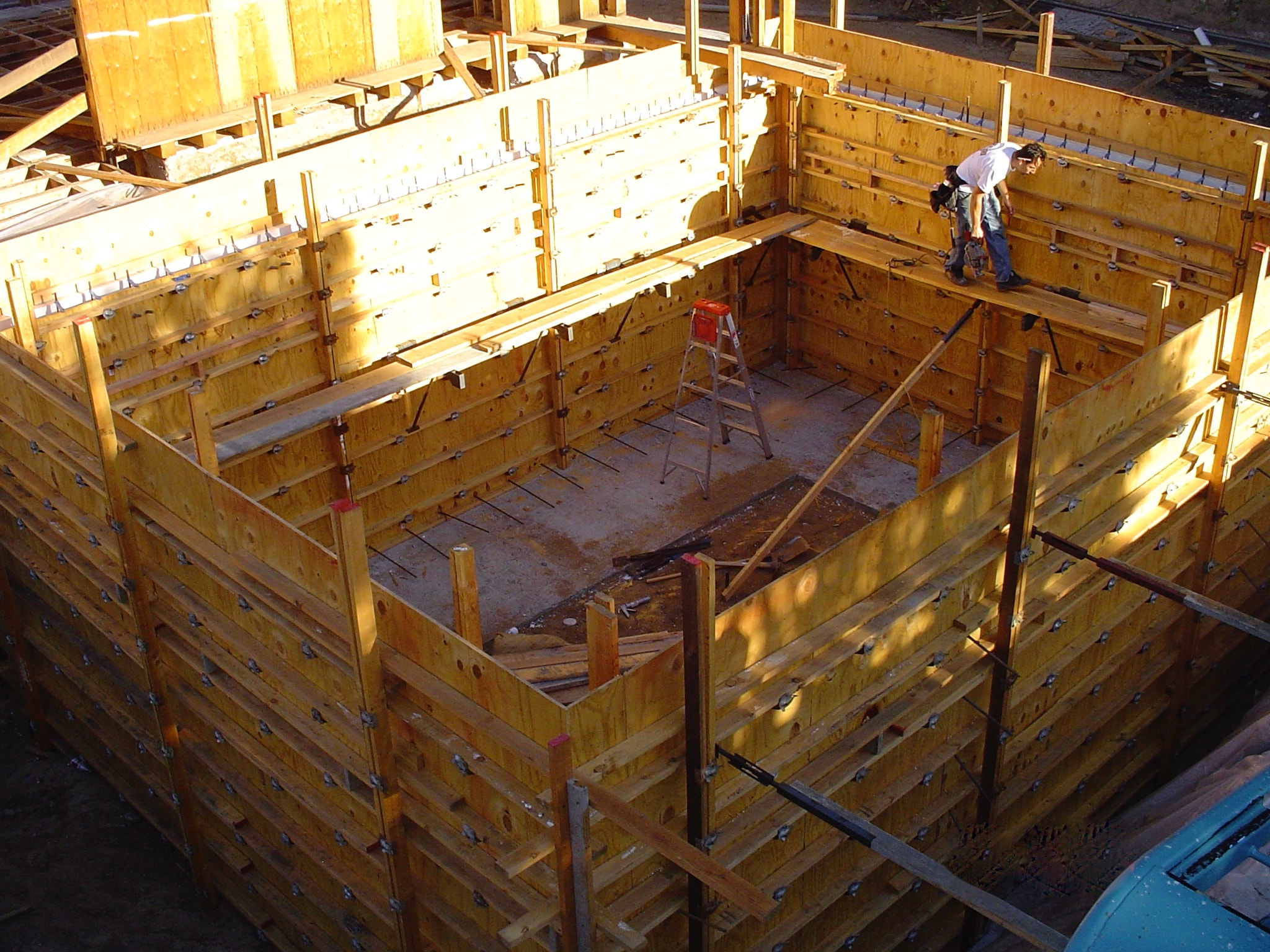
- Wall height — Walls over 3–4 feet typically require engineering and a deeper footing, which adds cost but is non-negotiable for safety.
- Soil and drainage conditions — Hillside clay soils that hold water need proper drainage systems (weep holes, gravel backfill, drain pipe) behind the wall, or the wall will eventually fail regardless of how well it's built.
- Access — Steep or tight-access lots often require material to be moved by hand or with smaller equipment, which adds labor time.
- Material choice — CMU block is generally the most economical; natural stone and larger poured concrete walls cost more.
- Engineering and permits — Taller walls need stamped engineering plans before the city or county will issue a permit.
Every hillside lot is different, which is why we walk each site in person before putting a number on a retaining wall — a wall that works on a flat lot in the Santa Clarita Valley can be entirely wrong for a steep lot in Altadena.
Permits: Don't Skip This Step
Most cities and Los Angeles County require a permit for retaining walls over a certain height (commonly 3–4 feet, though this varies by jurisdiction). An unpermitted retaining wall can become a real problem at resale, and if it fails, insurance and liability get complicated fast. A licensed contractor should pull permits and coordinate any required engineering as part of the job — not leave it for the homeowner to sort out.
Hiring the Right Contractor
Retaining walls sit at the intersection of masonry and structural work. Look for a contractor who holds an active C-8 (concrete) or C-29 (masonry) license, or both; has direct experience with hillside soil conditions, not just flatland walls; includes proper drainage in every wall design, not just the visible face; and pulls permits and works with an engineer when the wall height requires it.
Serving the Greater Los Angeles Area
Concrete Etc., Inc. is a licensed concrete and masonry contractor (CA Lic. #895899, B/C-8/C-29) serving the Santa Clarita Valley, San Fernando Valley, San Gabriel Valley, and Los Angeles County. We've built retaining walls on everything from flat suburban lots to steep hillside rebuilds, and we handle the engineering coordination and permitting as part of the process, not as an afterthought.
If you're planning a retaining wall — or aren't sure whether your slope needs one — reach out for a consultation and we'll walk the site with you.
Schedule a consultation and we'll walk the site with you. You can also learn more about our masonry contractor services in Los Angeles or our Santa Clarita masonry contractors.