
Pacific Palisades has always been one of the more demanding places in Los Angeles County to build a foundation — coastal bluffs, canyon slopes, and hillside lots with soil conditions that don't forgive shortcuts. For homeowners rebuilding after the January 2025 fires, those same site conditions are now paired with updated geotechnical requirements and a permitting process that's more involved than a standard foundation job. Here's what to understand before you pour.
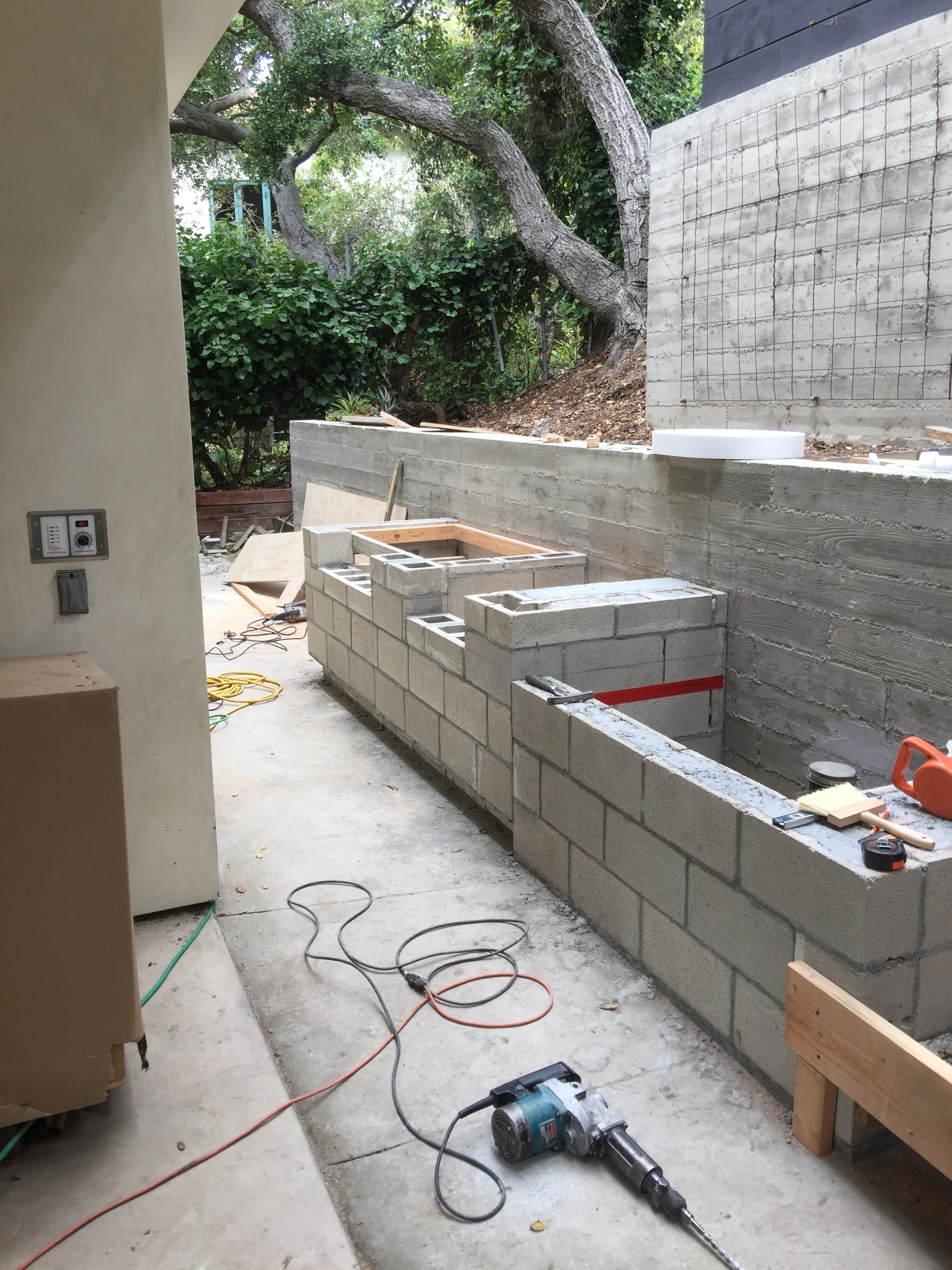
Why Palisades Foundations Are Different
We've done structural and hillside concrete work throughout the Palisades for years — retaining walls, foundations, and grade-sensitive flatwork on lots where soil stability isn't something you assume, it's something you engineer for. A Palisades rebuild foundation carries that same demand, with a few additional layers specific to the current rebuild environment.
What's Different About a Palisades Rebuild Foundation
Geotechnical requirements are more involved than a standard hillside lot.
Many Palisades properties fall within designated geohazard risk assessment zones established specifically for the post-fire rebuild process. Depending on your zone and lot conditions, this can mean a soils and geology report is required before LADBS will issue a permit — and fire conditions can change slope stability in ways that make a pre-fire report insufficient on its own.
Caisson foundations are common, not exotic.
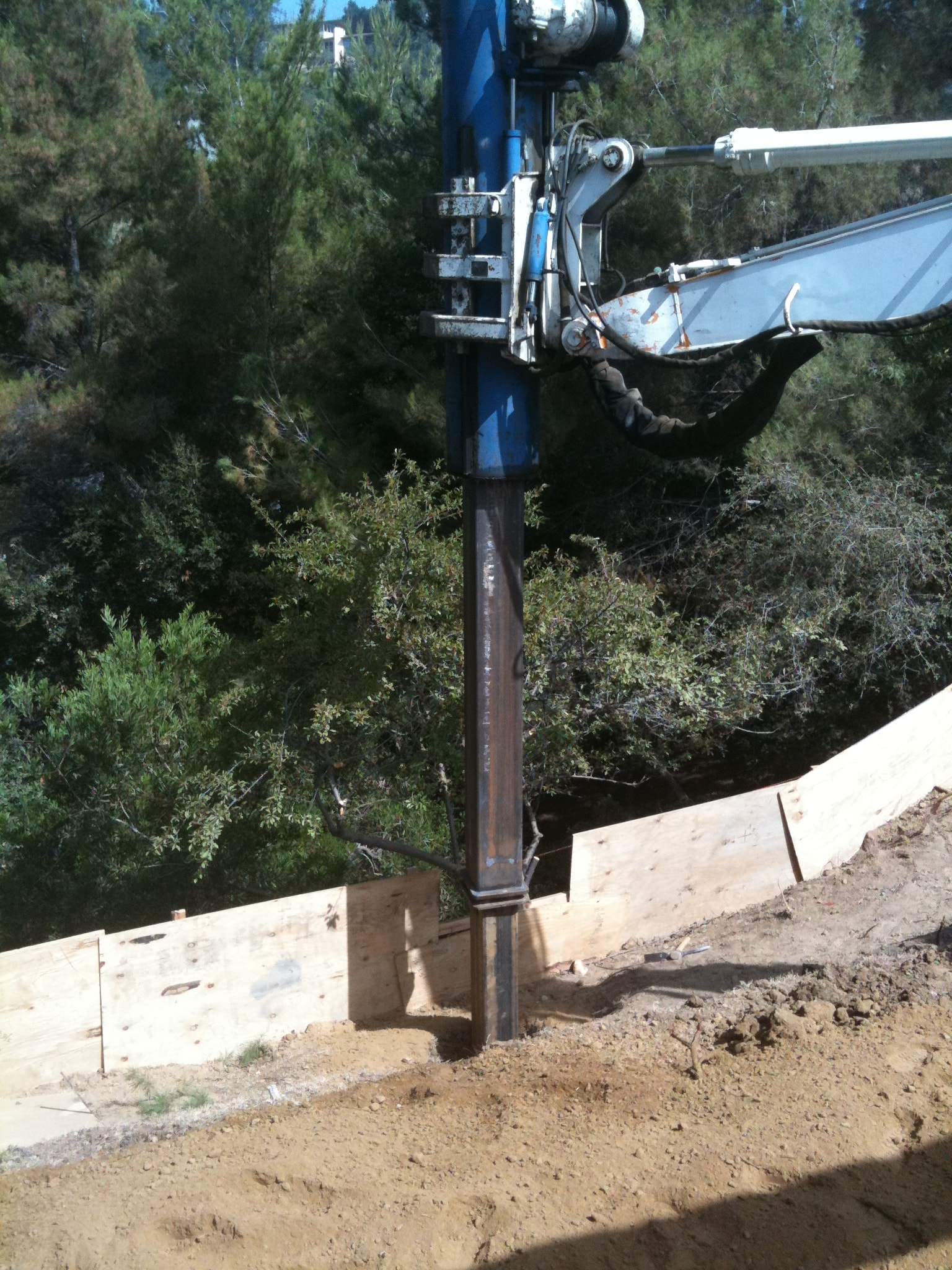
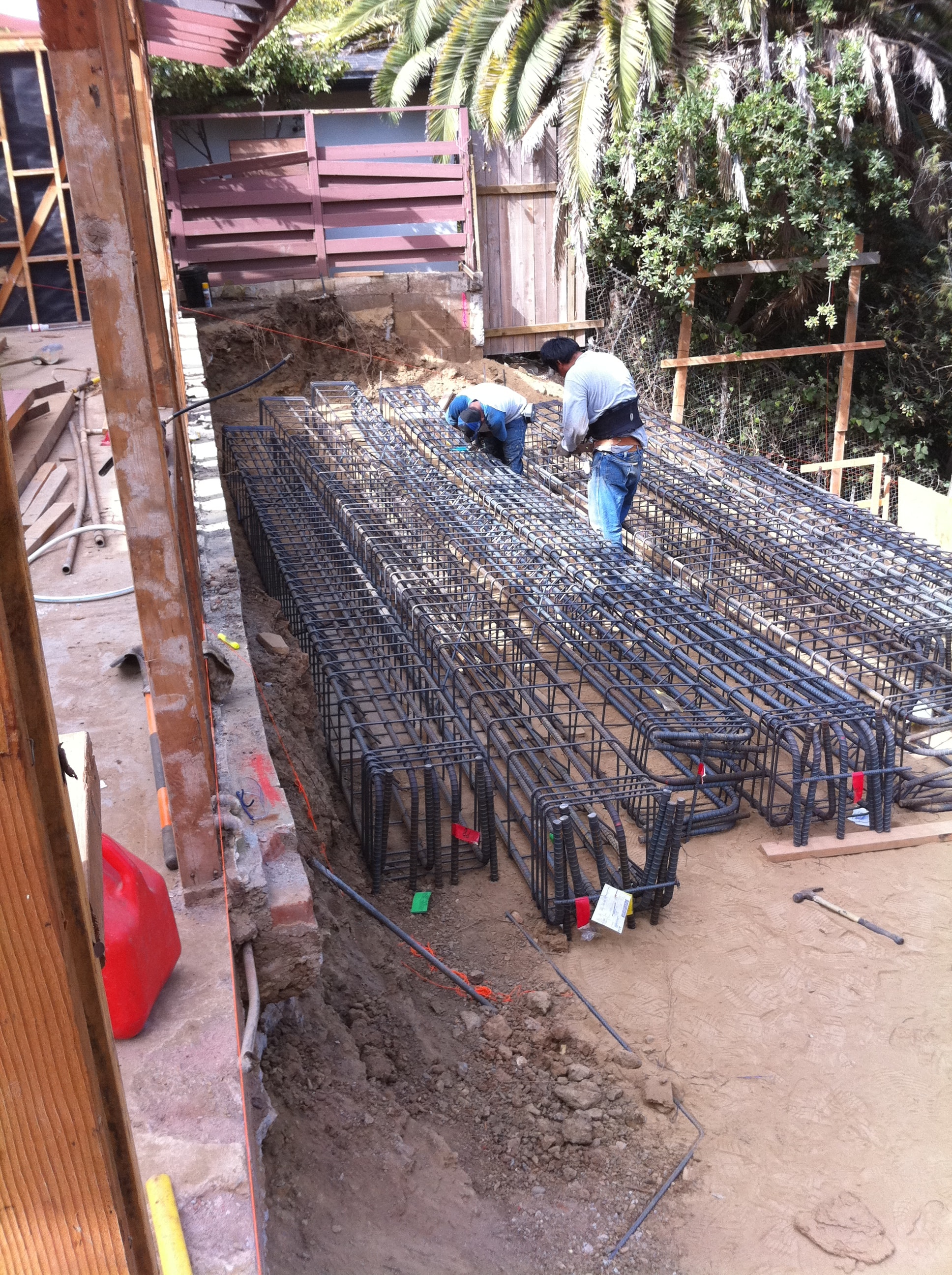
On many Palisades lots — particularly canyon and bluff-adjacent sites — a standard spread footing isn't adequate. Caisson and grade beam systems, where concrete piers are drilled to a stable bearing layer and tied together with a grade beam, are frequently what the geotechnical report and structural engineer specify. This is different work than a flatland slab-on-grade, and it requires a crew that's done it before.
Reusing an existing foundation is possible, but it's not assumed.
If your slab or footing survived the fire, current guidance allows reuse — but only after a licensed structural engineer or architect evaluates the foundation and confirms it's in satisfactory condition, typically with documentation and testing to back it up. Skipping that step to save time is exactly the kind of shortcut that causes problems years down the line on a hillside lot.
Permitting runs through the City of Los Angeles, not LA County.
Pacific Palisades rebuilds go through LADBS, with plan check covering structural review and, where applicable, coastal zone or canyon bluff review. Grading permits for excavation are handled separately, with specific thresholds for when a full grading report is required versus when it can be waived for shallower footing and grade beam work.
Fire hazard zone designations affect more of the Palisades than before.
Following the fires, updated fire hazard severity zone maps expanded which properties fall under Chapter 7A construction standards. While Chapter 7A primarily governs materials above the foundation line — roofing, siding, vents, windows — it's part of the same plan set your foundation design gets reviewed alongside, so coordination between your structural engineer and the rest of your design team matters more than usual.
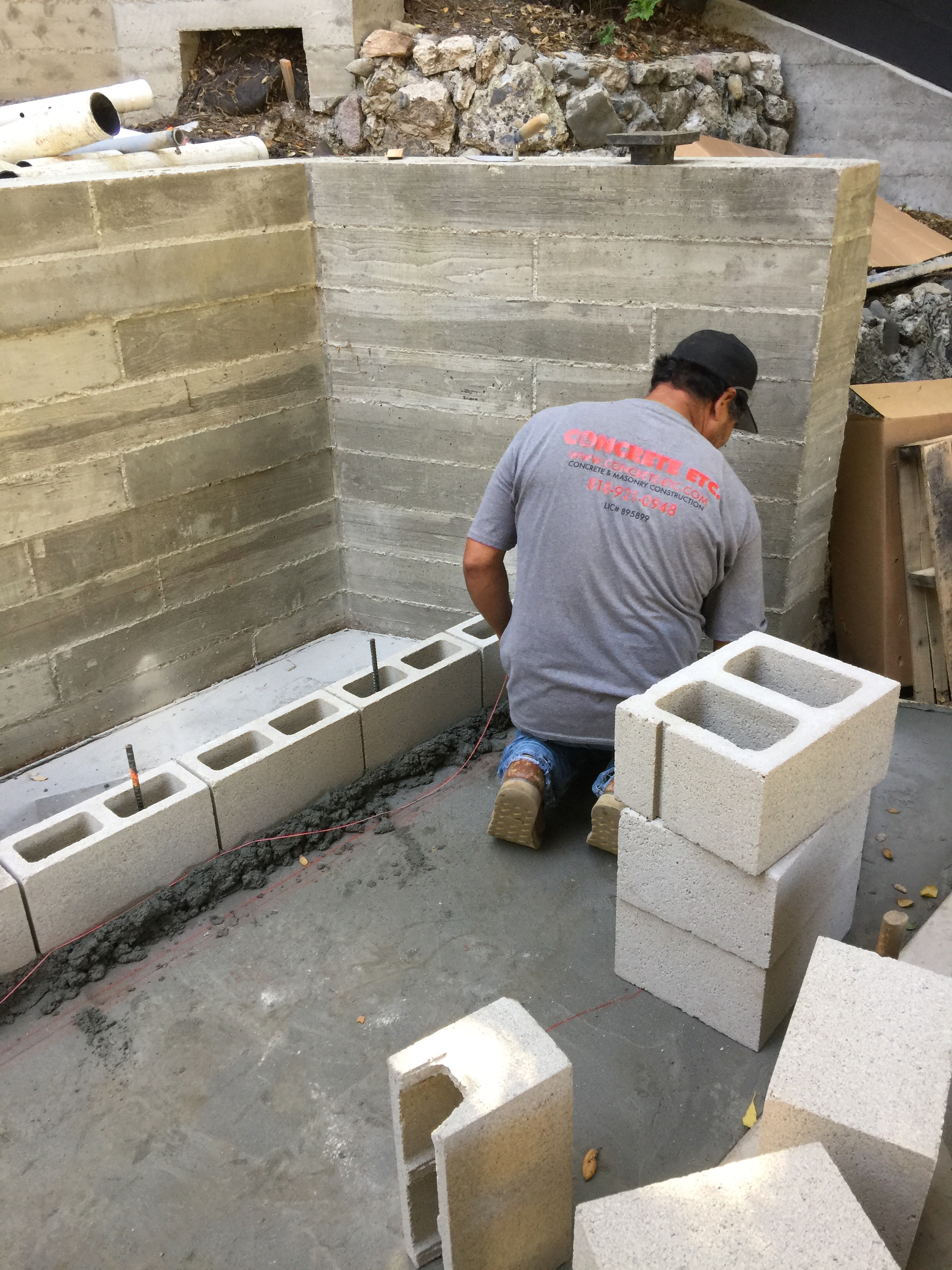
Foundation Types We Build on Palisades Hillside and Coastal Lots
Structural Slab-on-Grade
Where soil conditions and grade allow, a properly engineered slab remains the most straightforward option.
Raised Perimeter Foundation
Stem walls with a crawl space — common on sloped lots where drainage and grade changes need to be managed beneath the structure.
Caisson and Grade Beam
The standard approach on many canyon and bluff-adjacent lots, where piers are drilled to stable bearing soil and connected with a reinforced grade beam.
Continuous Footing
Used where soil and structural loads allow a conventional footing system without deep piers.
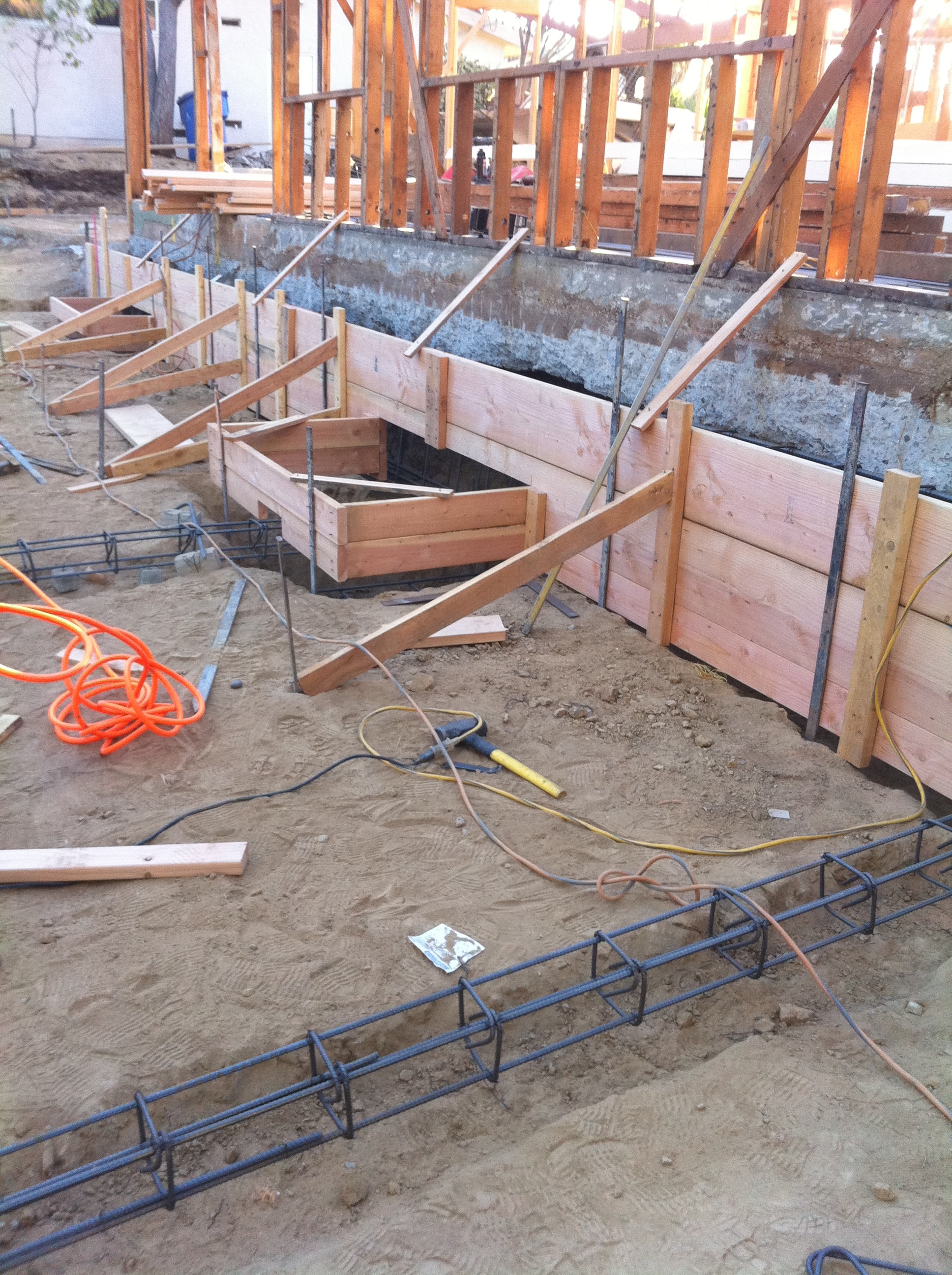
What We Coordinate Before We Pour
- Current geotechnical report and any zone-specific requirements for your lot
- Structural engineer's foundation plans, rebar schedule, and caisson specifications where applicable
- Grading permit status and any required inspections tied to excavation
- Coordination with your GC, architect, and structural engineer on sequencing against the broader rebuild timeline
- Drainage design specific to hillside and coastal grade conditions
We don't pull the overall rebuild permit — that's your GC's or owner-builder's role — but we bring hillside and structural concrete experience specific to the Palisades, and we coordinate tightly with your engineer and inspector so foundation work doesn't become the bottleneck on an already demanding timeline.
Licensed for Hillside and Structural Concrete Work
Concrete Etc., Inc. holds CSLB License #895899 with B (General Building), C8 (Concrete), and C29 (Masonry) classifications. We've built foundations, retaining walls, and structural concrete on hillside and coastal-adjacent lots throughout the Palisades and greater Los Angeles County since 2007, and we're ready to bring that experience to your rebuild project.
Frequently Asked Questions
Do all Palisades rebuilds require a soils report?
It depends on your specific lot, zone designation, and foundation type. Hillside lots, lots with existing retaining walls, or lots where prior slope conditions are unclear are the most likely to require a geotechnical investigation. Your structural engineer can confirm what applies to your property.
Can I reuse my existing foundation after the fire?
In many cases, yes — but only after a licensed structural engineer or architect evaluates the foundation and confirms it's in satisfactory condition. That evaluation typically involves observation and testing, not just a visual check.
Why do so many Palisades lots need caisson foundations?
Canyon and bluff-adjacent soil often can't support a standard spread footing at the loads required. Caissons reach down to a more stable bearing layer, which is what most geotechnical reports and structural engineers specify for these conditions.
Does my project need Coastal Commission review?
If your property is within the Coastal Zone, it may require a Coastal Development Permit in addition to standard LADBS review. Your architect or permit expediter can confirm whether your parcel falls within that zone.
How is Palisades foundation work different from other LA County rebuilds?
The core difference is soil and slope. Palisades' coastal bluff and canyon terrain generally demands more geotechnical scrutiny and more complex foundation systems than flatland lots, which affects both design and construction timeline.
Building on a Hillside or Coastal Lot in the Palisades?
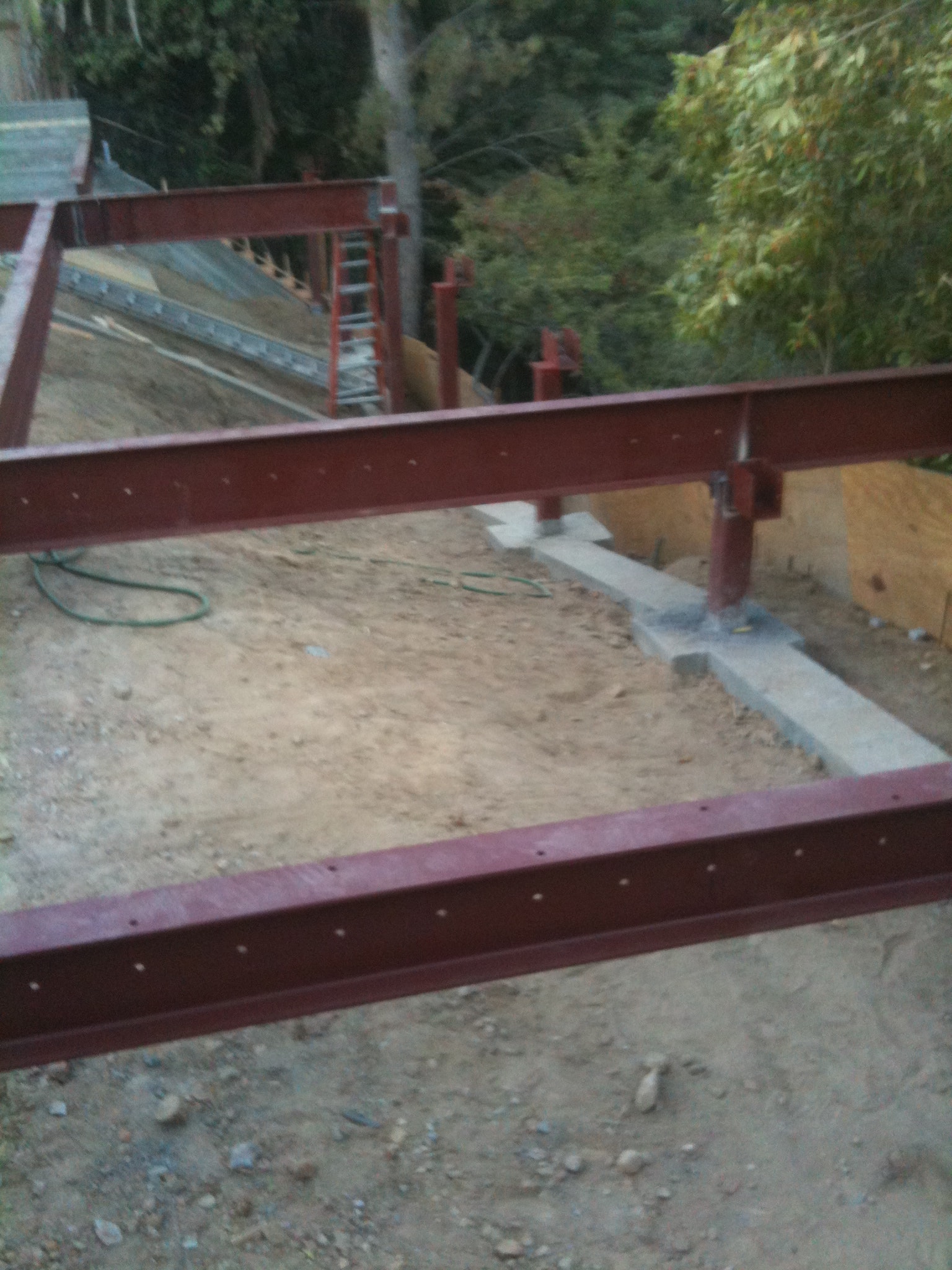
We bring structural and hillside concrete experience to every foundation we pour — the kind of experience that matters most on demanding terrain.
Schedule an Onsite ConsultationRelated Reading
Serving Los Angeles County
Full service areas: San Fernando Valley, San Gabriel Valley, Los Angeles County